Compare Local Contractors for Siding Replacement Success
Compare local contractors to define project scope, verify experience, and set clear expectations for your siding replacement.
Siding replacement projects typically involve removing existing exterior siding and installing new materials to enhance the appearance and protect the structure. This work can include selecting and preparing different types of siding, such as vinyl, fiber cement, or wood, as well as addressing underlying issues like damaged sheathing or insulation. Properly defining the scope of the work ensures that all necessary tasks are included, from surface preparation to finishing details, helping property owners achieve a durable and visually appealing result.
Establishing a clear scope of work is essential for setting realistic expectations and avoiding misunderstandings with contractors. Property owners should specify the types of siding materials, the extent of surface preparation, and any additional repairs or upgrades needed. Documenting these details in writing provides a reference point for discussions and helps ensure that all parties agree on what the project entails. This clarity can contribute to smoother project execution and a final outcome that aligns with the property owner’s preferences.
When comparing local contractors for siding replacement, it’s important to evaluate their experience with similar projects, reputation within the community, and the quality of their previous work. Property owners can review references or ask for examples of completed projects to assess craftsmanship and attention to detail. Additionally, obtaining multiple proposals allows for comparison of scope descriptions and work approaches, making it easier to identify service providers who understand the project’s requirements and can deliver consistent results. This process supports informed decision-making and helps connect with service providers capable of meeting specific project needs.
Compare local contractors by outlining priorities, verifying experience, defining scope, and setting clear expectations in writing.
- Compare Contractor Credentials - Review the experience and reputation of local contractors to ensure reliable service.
- Define Project Scope Clearly - Establish detailed work requirements to align expectations and prevent misunderstandings.
- Verify Experience and Past Work - Assess previous projects and expertise to select qualified service providers.
- Document Agreements in Writing - Ensure all project details, scope, and expectations are confirmed through written agreements.
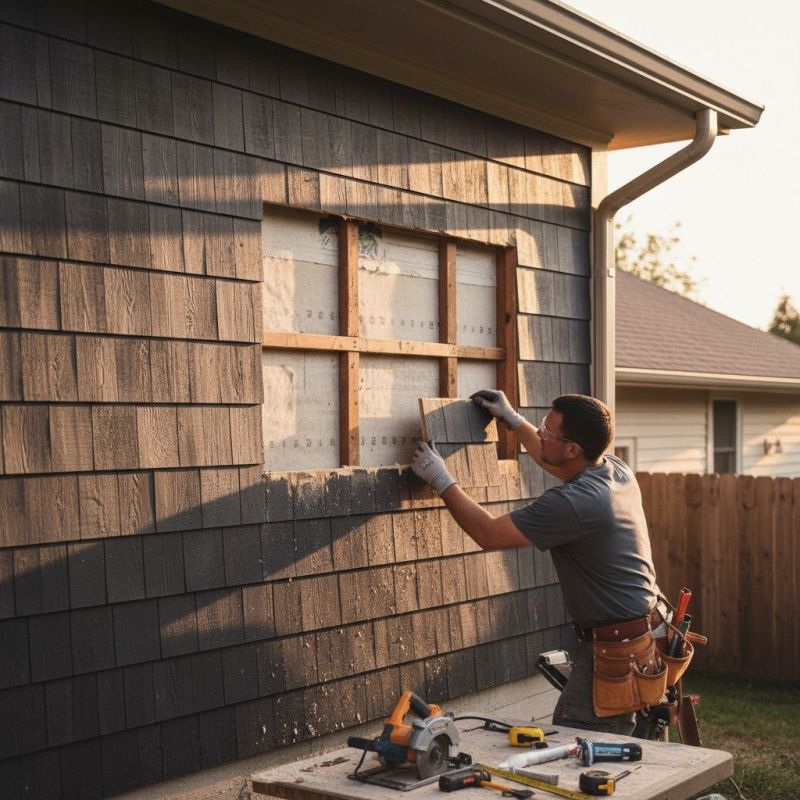
Before comparing contractors, clearly describe your siding replacement project, scope, and expectations in writing.
- Verify experience and expertise in siding replacement projects with local contractors. - Ensure service providers clearly define the scope of work and materials to be used.
- Compare multiple local contractors to assess their approach and attention to detail. - Look for detailed written estimates that specify project milestones and responsibilities.
- Check references or reviews to gauge the quality of previous siding replacement work. - Confirm that contractors have a thorough understanding of different siding materials and installation techniques.
- Discuss project expectations and deliverables in writing to avoid misunderstandings. - Make sure all project specifics, including cleanup and warranty details, are documented.
- Assess the communication style and responsiveness of local contractors during initial interactions. - Choose service providers who are transparent and willing to answer questions clearly.
Compare local contractors, clarify project scope, verify experience, and document expectations for a successful siding replacement.
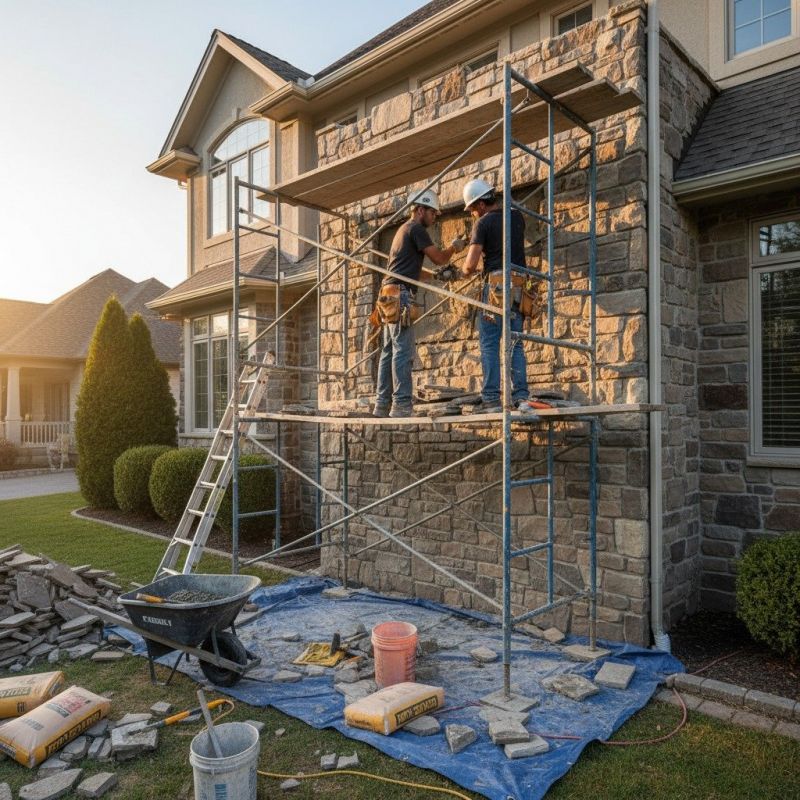

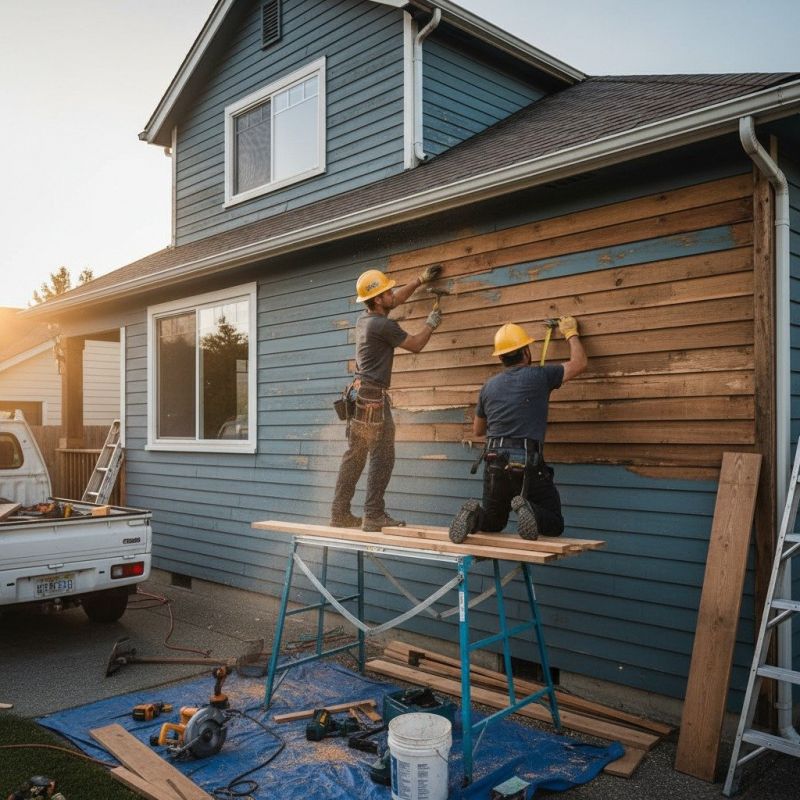
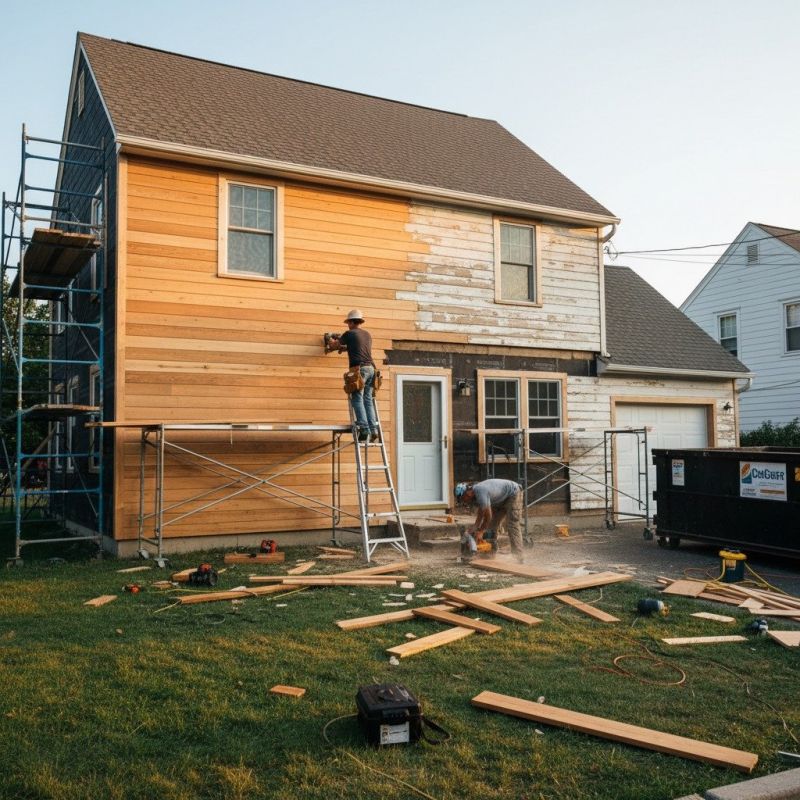
This scope builder helps compare local contractors for siding replacement by clarifying work details, experience, and written expectations.
- Define project scope - clearly specify the type and extent of siding replacement needed to guide contractor selection.
- Assess material preferences - determine the preferred siding materials and styles to ensure compatibility with existing exterior elements.
- Verify contractor experience - identify service providers with proven experience in siding replacement projects similar in scope.
- Establish communication expectations - outline how project details and updates will be documented and shared with the chosen contractor.
- Request detailed written proposals - obtain comprehensive scope descriptions from local contractors to compare their approaches and offerings.
When evaluating contractors for siding replacement, it’s important to consider their experience with similar projects. Homeowners should seek service providers who have a proven track record of handling siding replacements on homes comparable in size, style, and material to their own. Asking about past projects or requesting references can help determine whether a contractor has the relevant expertise and a history of successful work. This focus on experience helps ensure that the contractor understands the specific requirements and challenges associated with different siding types and installation methods.
A clear, written scope of work is essential for a smooth project. Homeowners should work with contractors who provide detailed descriptions of the work to be performed, including the materials to be used, the extent of demolition and removal, and the expected deliverables. A well-defined scope reduces misunderstandings and sets precise expectations for both parties. It’s advisable to review the scope carefully, ask for clarifications if needed, and ensure that all aspects of the project are documented before any work begins.
Verification basics involve confirming that contractors have the proper background and credentials relevant to siding replacement. This includes checking references, reviewing previous work, and verifying that the contractor has experience with the specific siding materials planned for the project. Homeowners should also inquire about the contractor’s familiarity with local building codes and regulations, as well as their process for handling inspections or potential issues that may arise during installation. Proper verification helps build confidence that the service provider is capable of delivering quality results.
When comparing options, it’s important to evaluate how each contractor approaches the project scope, their level of experience, and the clarity of their communication. Homeowners should ask service providers to explain their process, outline what is included in their scope, and describe how they handle unexpected challenges. Focusing on the quality of the proposed work, the professionalism of the contractor’s communication, and the thoroughness of their project plan can help homeowners make informed decisions. This approach ensures that expectations are clear and that the chosen contractor is well-equipped to handle the siding replacement project effectively.
Ask contractors to provide written scope details to ensure clear understanding and consistent project expectations.
- Experience and Qualifications - What experience do the local contractors have with siding replacement projects similar to yours?
- Scope of Work - How do the service providers define the scope of the siding replacement to ensure all aspects are covered?
- Materials and Methods - What types of siding materials and installation techniques do the local contractors recommend and use?
- Project Expectations - How will the scope of work and project deliverables be documented in writing to set clear expectations?
- Comparison Factors - What criteria should be used to compare different contractors’ approaches and expertise?
What should I consider when choosing a contractor for siding replacement? It’s important to compare local contractors based on their experience, reputation, and the scope of services they offer to ensure they meet your project needs.
How can I verify a contractor’s experience for siding replacement? You can review their previous work, ask for references, and check how long they have been providing siding services in your area.
What questions should I ask a contractor before hiring for siding replacement? Inquire about their process, materials used, warranty options, and how they define the scope of work to ensure clarity and alignment.
Why is it important to get the scope of work in writing? Having a detailed, written scope helps set clear expectations, prevents misunderstandings, and provides a reference throughout the project.
How do I compare different siding contractors effectively? Focus on their experience, reviews, portfolio of past projects, and the clarity of their proposals to make an informed choice.
What role does communication play when working with siding replacement contractors? Clear communication ensures that project details, expectations, and any changes are understood by both parties, leading to a smoother process.
By understanding the importance of clearly defining the scope of work, verifying the experience of service providers, and putting expectations in writing, homeowners can make more informed decisions when selecting contractors for siding replacement. Comparing multiple local contractors helps ensure that the chosen service providers meet specific project needs and standards. Utilizing the quote form facilitates this process by providing a straightforward way to connect with local experts and explore available options.
Taking the time to assess different local contractors and communicate project details effectively can contribute to a smoother siding replacement experience. Using the quote form allows homeowners to gather information and compare options without the obligation to commit, helping to identify the best fit for the project’s requirements. It’s a practical step toward making well-informed choices when working with service providers in the area.